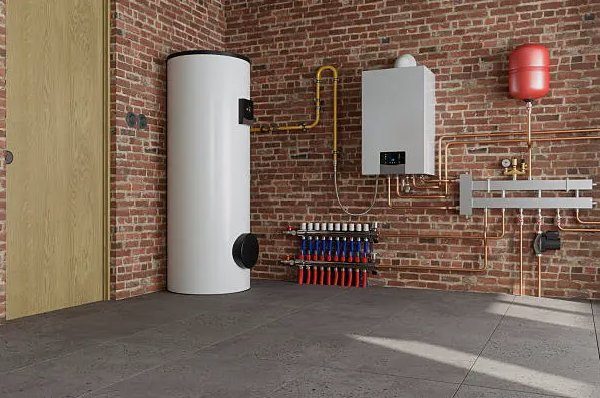
How Each One Actually Works.
A tank water heater keeps 40–75 gallons hot around the clock, ready whenever you turn the tap. A tankless unit heats water on demand as it flows through, firing up only when you need it. That core difference drives every pro and con below.
Where Tankless Wins.
- Endless hot water. No more running out mid-shower. Great for big families and back-to-back showers.
- Lower standby losses. You're not paying to keep 50 gallons hot 24/7, so most DFW homes see a meaningful drop in water-heating costs.
- Space and lifespan. A tankless unit mounts on the wall and frees up floor space, and it typically lasts 18–22 years versus 10–12 for a tank.
Where Tank Still Wins.
- Lower upfront cost. A tank replacement is significantly cheaper to buy and install than a tankless conversion.
- Simplicity. Fewer variables — no gas-line upgrade, no special venting, no concern about simultaneous-demand sizing.
- Hard-water tolerance. Tankless units need annual descaling in DFW or they'll fail early. Tanks are more forgiving (though a softener helps both).
The DFW-Specific Factors.
Two things matter a lot here. First, hard water — Dallas runs 7–10 grains per gallon, which scales up a tankless heat exchanger fast. If you go tankless, budget for annual descaling. Second, your gas line — many pre-2010 homes have an undersized line that needs upgrading to feed a high-BTU tankless unit, which adds to the install.
So Which Should You Buy?
Go tankless if you run out of hot water regularly, you're staying in the home long enough to recoup the upgrade (roughly 6–8 years), and you'll keep up with annual maintenance. Stick with a tank if you want the lower upfront cost, your hot-water demand is modest, or you're selling soon. We'll size and quote both honestly — see our water heater and tankless pages.
Need a hand? Call us at 469·407·5370 or book online — we're on call across DFW 24/7.